You do not need an art-history lesson prepared before looking at a painting together. You can begin with one picture, a few minutes and a question everyone is allowed to answer differently. A family art night can be that small—and it works just as well for two adults discovering art together.
Try the ten-minute plan below with a painting on your television, a print or a page in an art book. The aim is to look closely and enjoy the conversation. You can leave dates and biographies for another day.
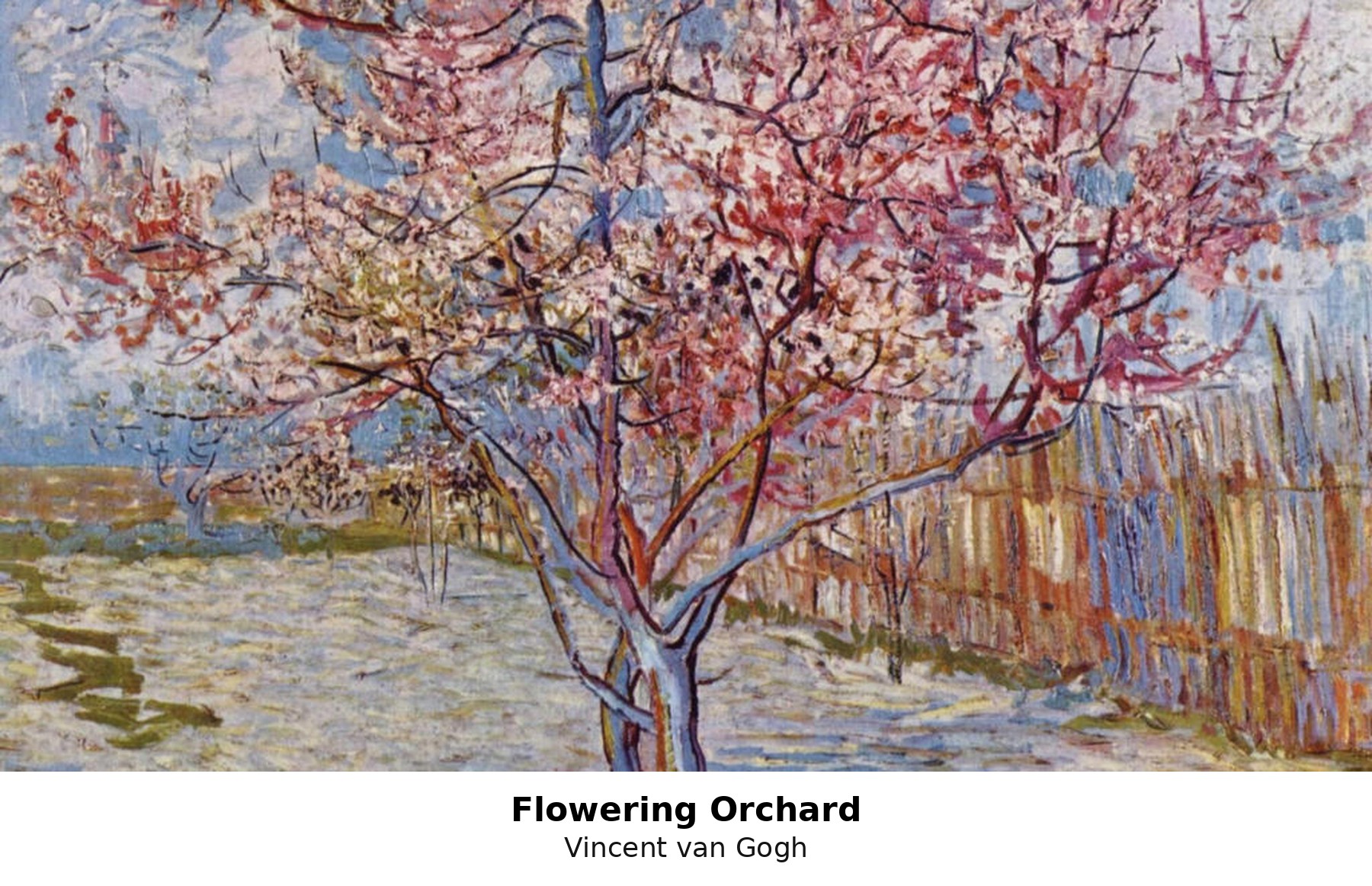
Set up a ten-minute art night
Choose one painting that someone in the room is curious about. A landscape, portrait or still life can all work. If you are using a TV slideshow, pause on the picture if your player supports it. Otherwise, choose a longer interval if available, or keep the conversation going when the next image appears. For help finding your photo player, use our USB TV setup guide.
Give everyone a short quiet look before asking anything. Let children point instead of speaking, and let anyone pass. There is no need to use all five questions in one sitting.
1. What caught your eye first?
Ask each person to name or point to the first thing they noticed. It could be a bright patch, a face, a tree or an empty space. Wait until everyone has had a turn before sharing your own answer.
Then look at the picture again. Did someone else notice something you missed? This is a useful opening because it begins with the painting itself, without requiring anyone to know the artist’s name.
2. Which detail makes you say that?
When someone offers an idea about the picture, invite them to show you what prompted it. If a scene looks windy, where do they see movement? If a room seems quiet, what in the image gives that impression?
Keep the question friendly. Someone may change their mind after looking again, and two people may interpret the same detail differently. You are exploring an idea together rather than marking an answer.
3. Where would you step into this painting?
Imagine a spot just inside the picture. Would you stand beneath a tree, beside a window or at the edge of a path? Ask what might be close by and what might be farther away.
For a still life, try a variation: which object would you like to examine more closely? Make clear that imagined sounds, smells and stories are your own additions, rather than facts about the artist’s intentions.
4. Which color or shape would you borrow?
Choose one color or shape you would carry into a drawing, a garden or a room. Ask where it appears elsewhere in the painting. A repeated curve, a small bright accent or a band of blue can become something to follow across the picture.
If you have paper nearby, each person can sketch just that detail. It can be a few lines or a patch of color; nobody has to reproduce the whole artwork.
5. What would you like to find out next?
Read the title and artist caption together. Does the title change what anyone notices? Decide on one question you might explore later: where the scene was painted, what another work by the artist looks like, or what an unfamiliar word in the title means.
Keep observations, guesses and checked facts separate. “I think” is a useful phrase when interpreting a scene. If you look up its history later, start with the museum that holds the painting or another museum’s educational resources.
A simple way to divide the time
- First minute: choose a painting and look quietly.
- Next six minutes: try two or three questions, following whichever detail interests the group.
- Final three minutes: read the caption, name a favorite detail and choose one thing to explore next time.
Ten minutes is a suggestion, not a deadline. Stop earlier if the conversation has run its course, or stay with one picture when everyone wants to keep looking.
Choose a painting for next time
Browse our 25 classic paintings to explore on your TV for landscapes, portraits and gardens to discuss together.
Make the next painting easy to find
The Family Gallery TV USB provides 1,000+ classic paintings captioned with their title and artist for $49 once, with no Family Gallery app or subscription. Preview the collection, and check your TV’s USB JPEG slideshow compatibility before ordering. Shipping and applicable tax are shown on Etsy.
You can purchase the Family Gallery TV USB on Etsy. For playback questions, email help@familygallerytv.com.
Make Life Beautiful can begin with one painting and a little time to notice it together.